Red Grouse
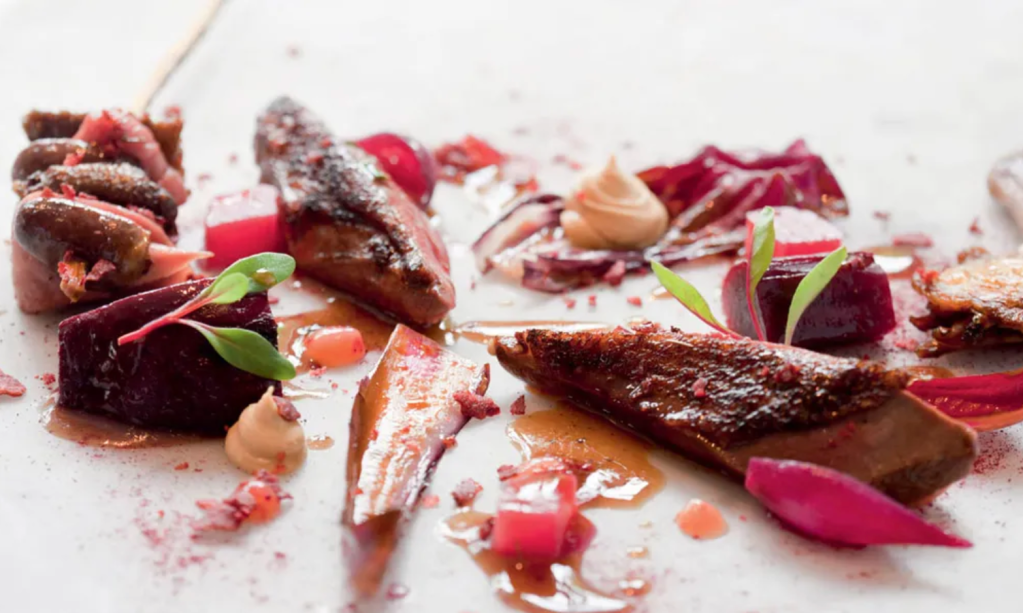
Honestly, I knew nothing about this dish before reading about it in the book. It seems like a complete outdoor experience involving this dish, which I love.
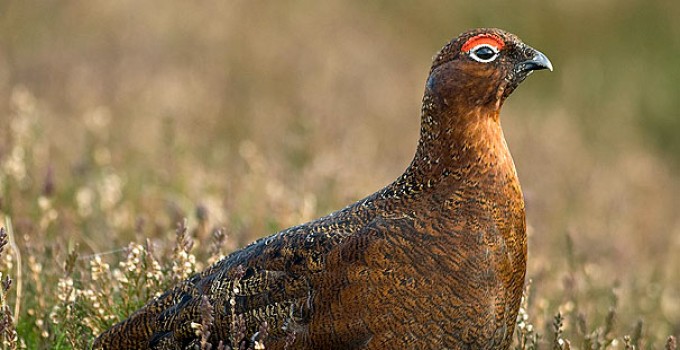
Apparently, you need to hunt this red grouse and cook it in place, with only the things you’re able to find in nature. Some vegetables, and fire, that’s it. I imagine the flavor has to do with the juices of the food, the burnt wood, and of course the actual experience of hunting and cooking your food in the middle of nowhere.
As well, translating this experience to a restaurant involves a very specific set of conditions, such as having copper tubes that carry your order to the kitchen.
In my research about this dish and how people are used to cooking it, I was unable to find specifically a “red” grouse dish. Probably because it is quite a hard bird to find, but imagine my surprise when I found a page that was actually asking for people to not forget that dish and to keep it on so the red grouse do not get extinct.
It was interesting to learn about how people choose to preserve their traditions.
What is the plate doing in this situation?
In this case, the plate will help us hold the grouse in place, but more than that I believe it is important for this plate to actually help us remember the original experience of eating red grouse. This plate should help contain the flavor, making eating and enjoying the grouse easier.
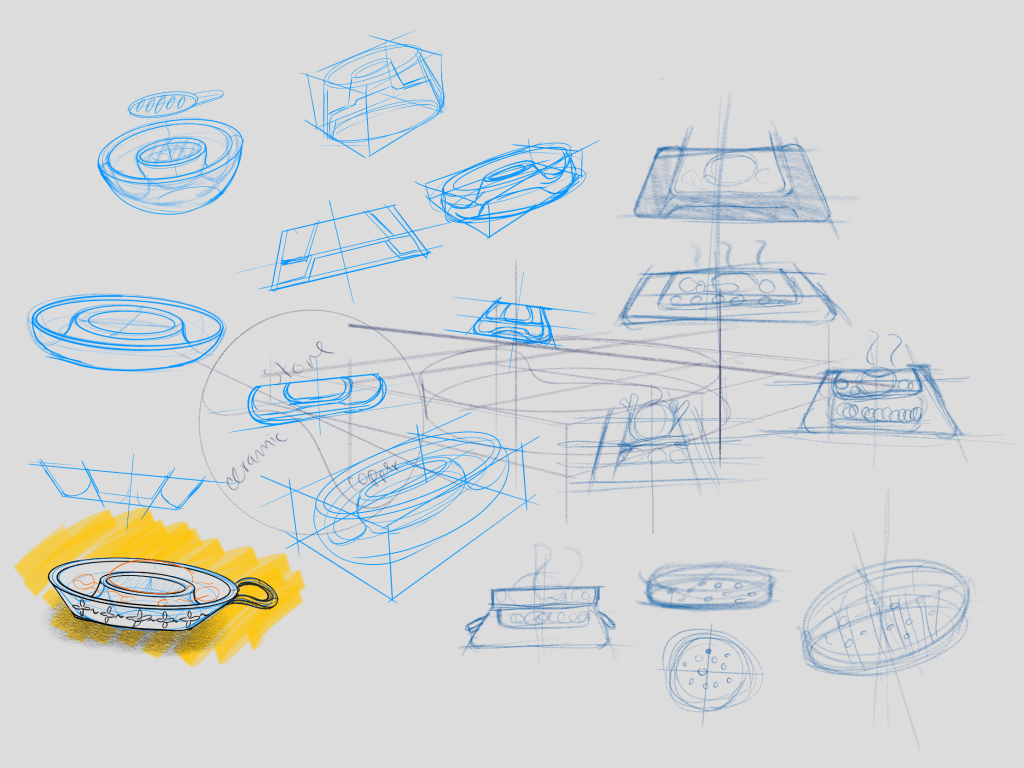
By thinking about it I wanted to create something that will resemble history and the experience of eating this bird, to help preserve and remember what this once was.
For the design, I thought of creating a deep dish that would allow the juices to stay in place as they eat them. I as well explored the possibility of adding charcoal or burnt wood to give the dish that perfect taste of nature. But I got the feeling that I was getting distracted by the food, which can be cooked and plated in different ways and not at all on the plate, which is what this blog is about.
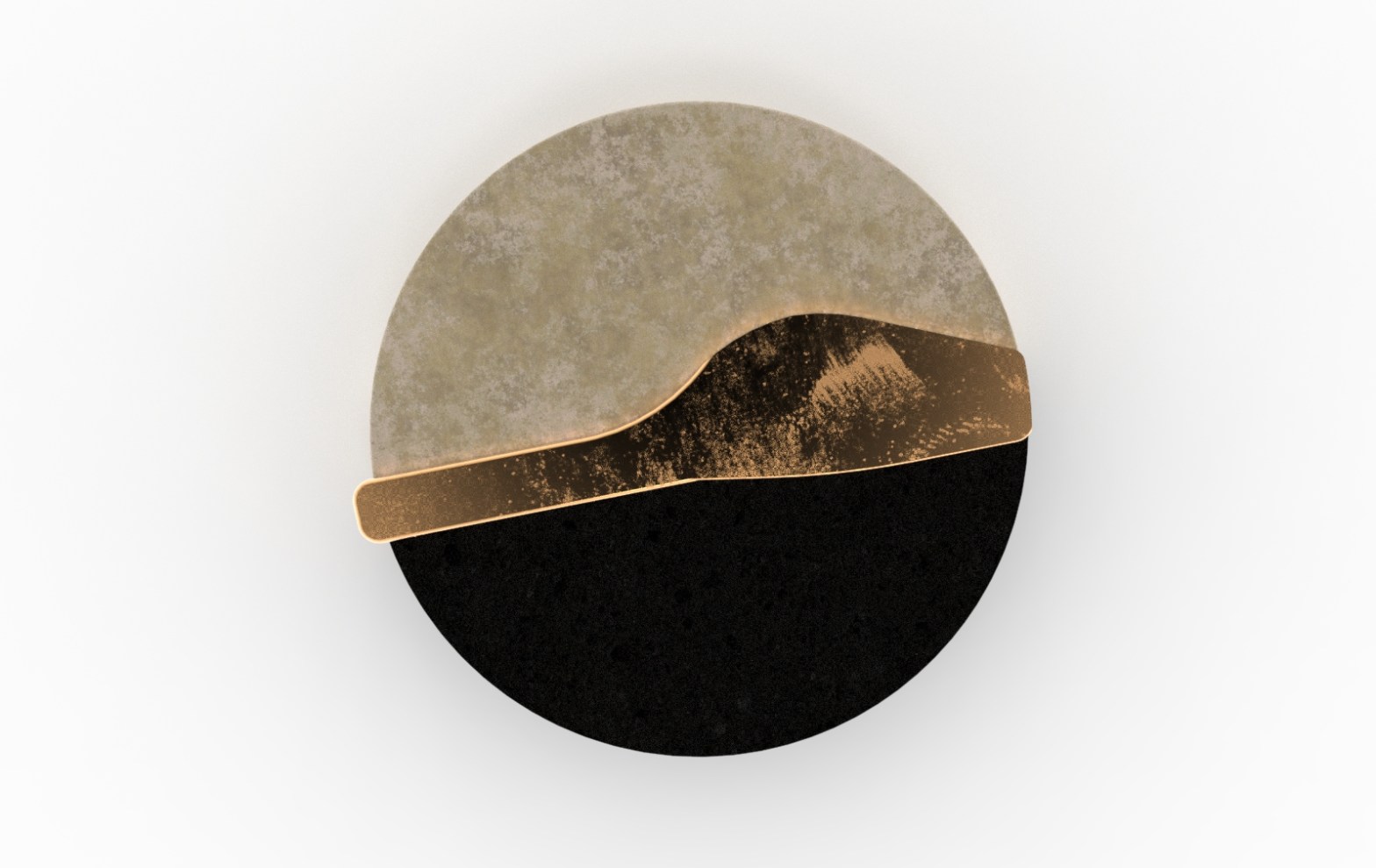
I ended up going for a multi-material board that includes volcanic stone, ceramic, and copper, mixing all 3 experiences and giving the chef a flat surface to plate and organize the elements of their dish as the volcanic stone helps the food remain heated.
The flat surface with the little indent helps the commensal to easily cut, take and eat their food while giving the plate a refined and fancy vibe.

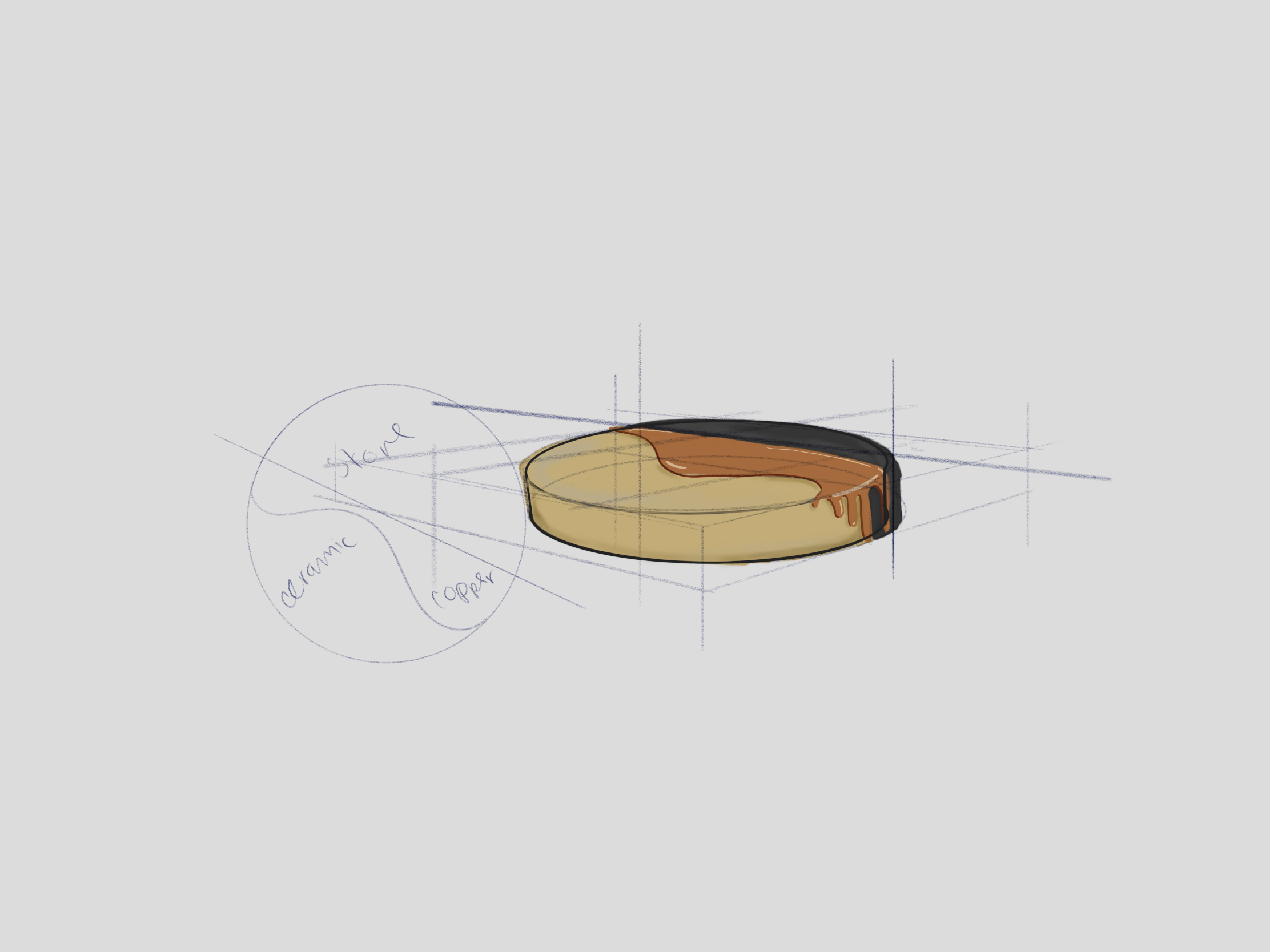
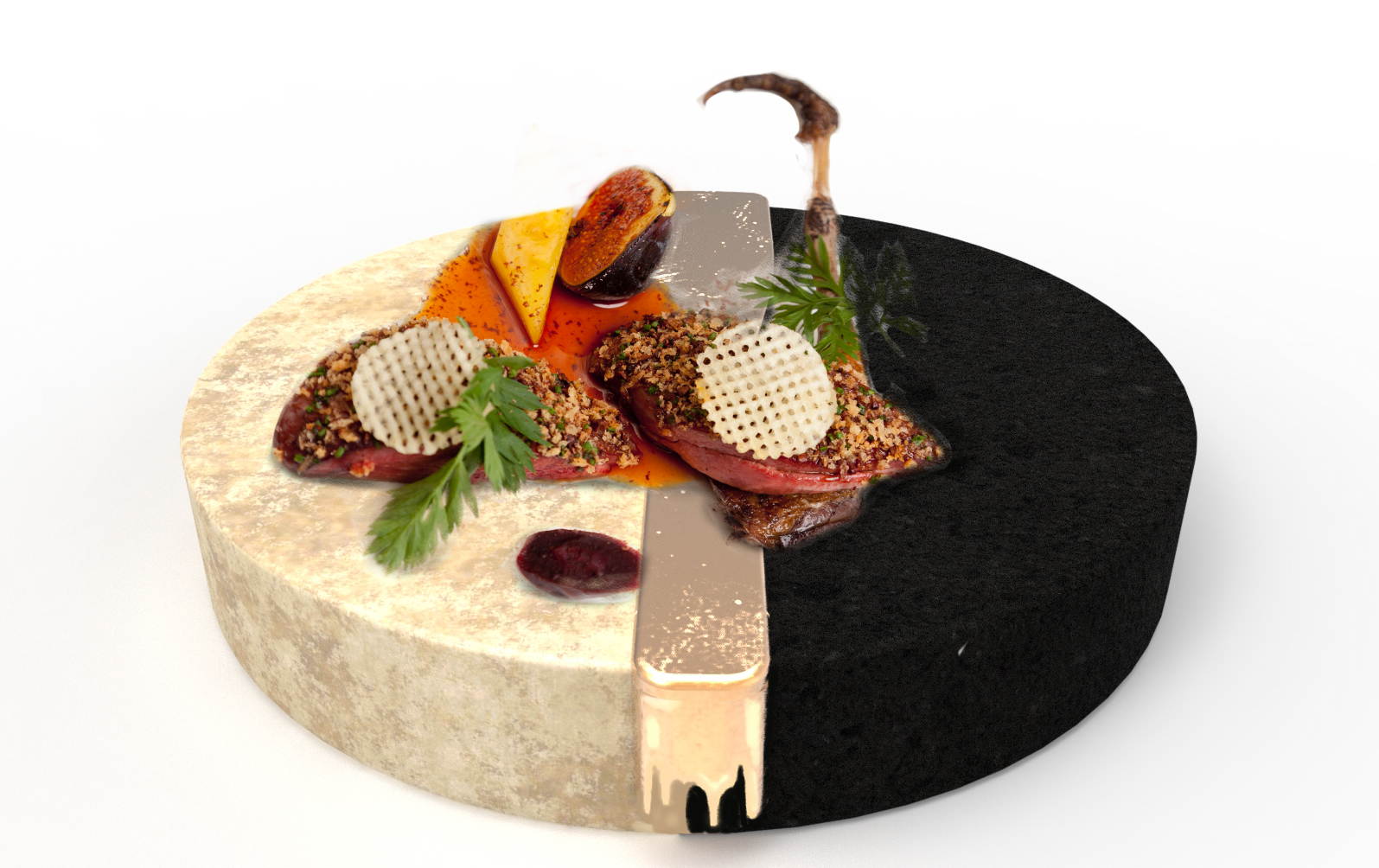
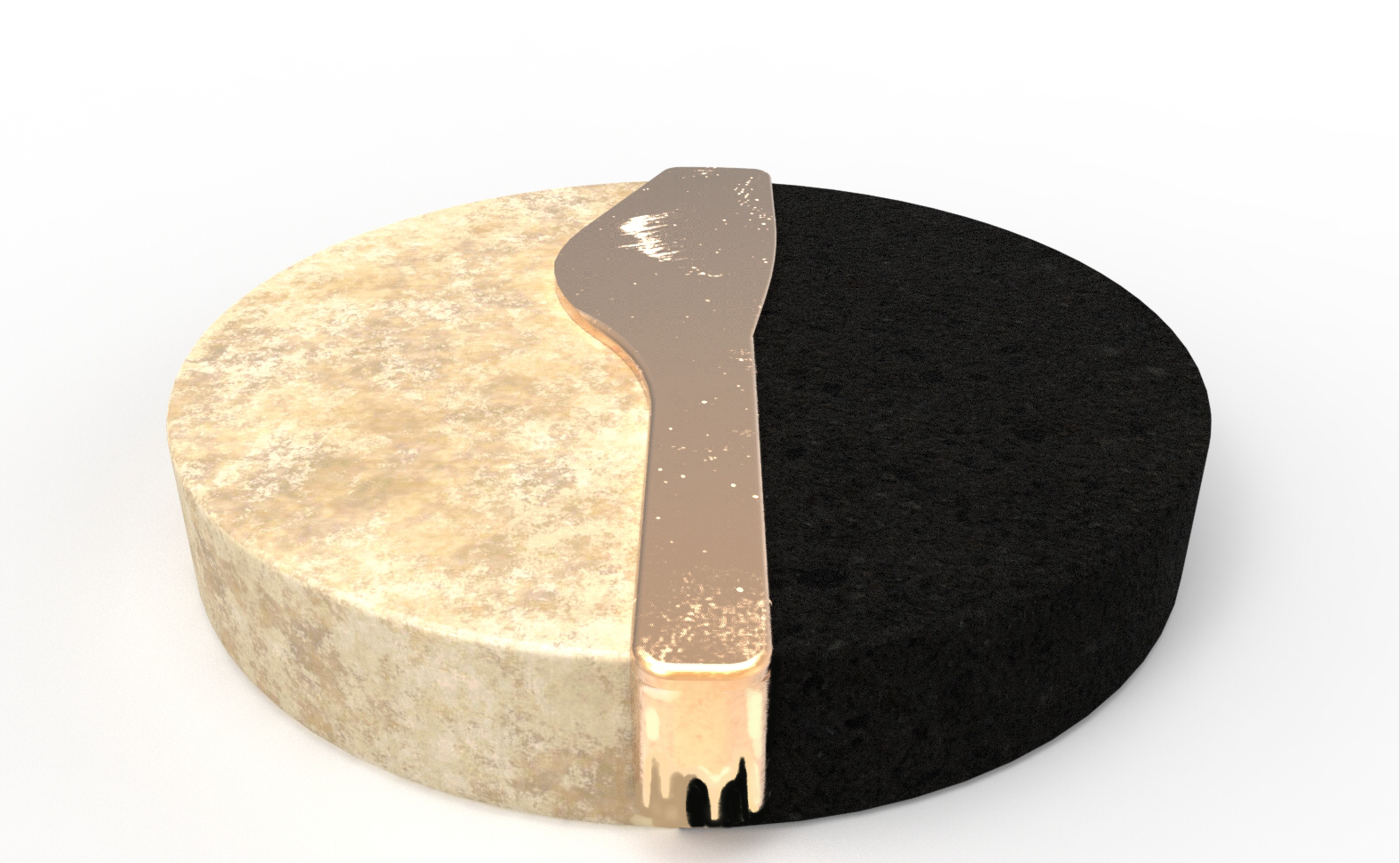
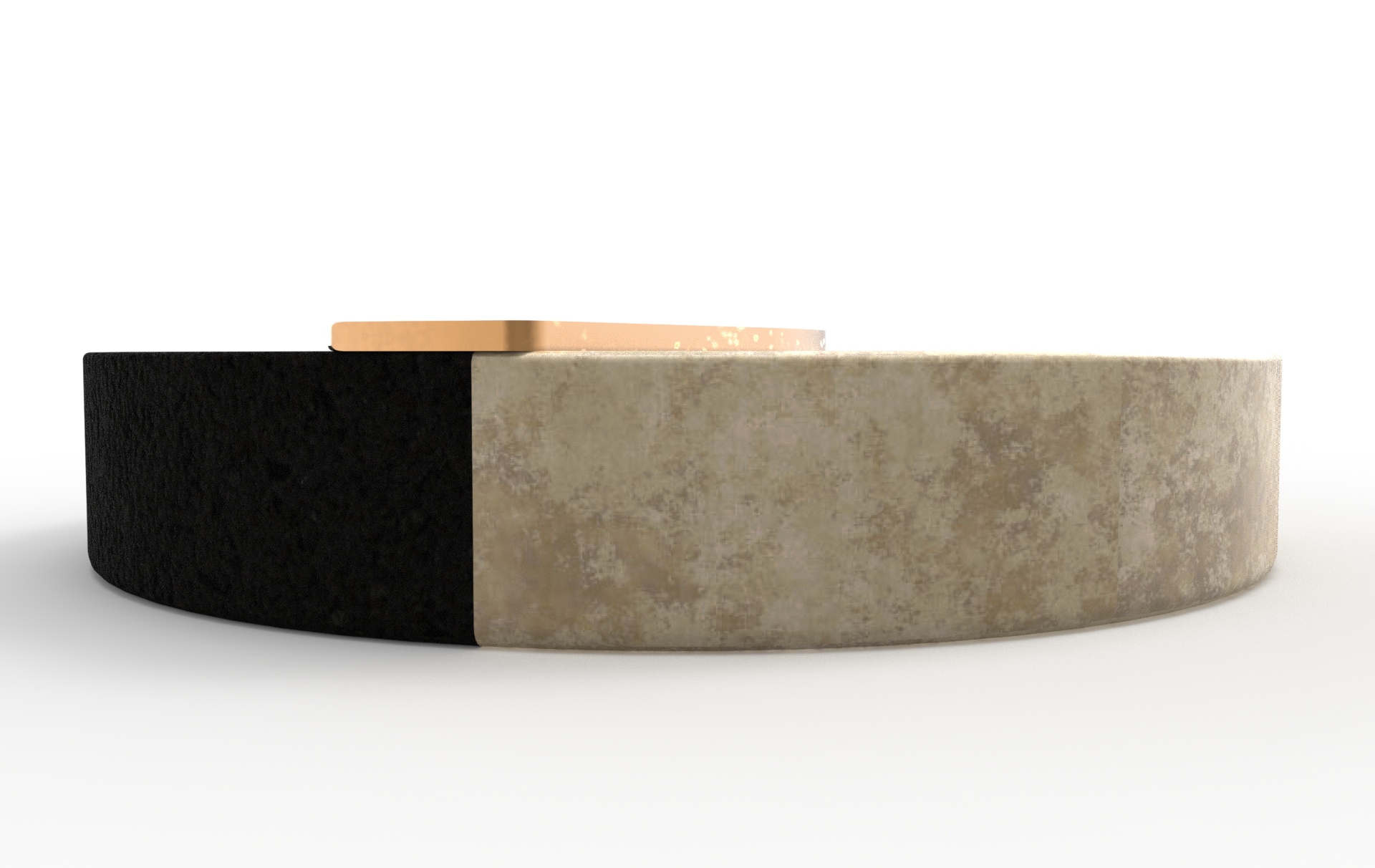
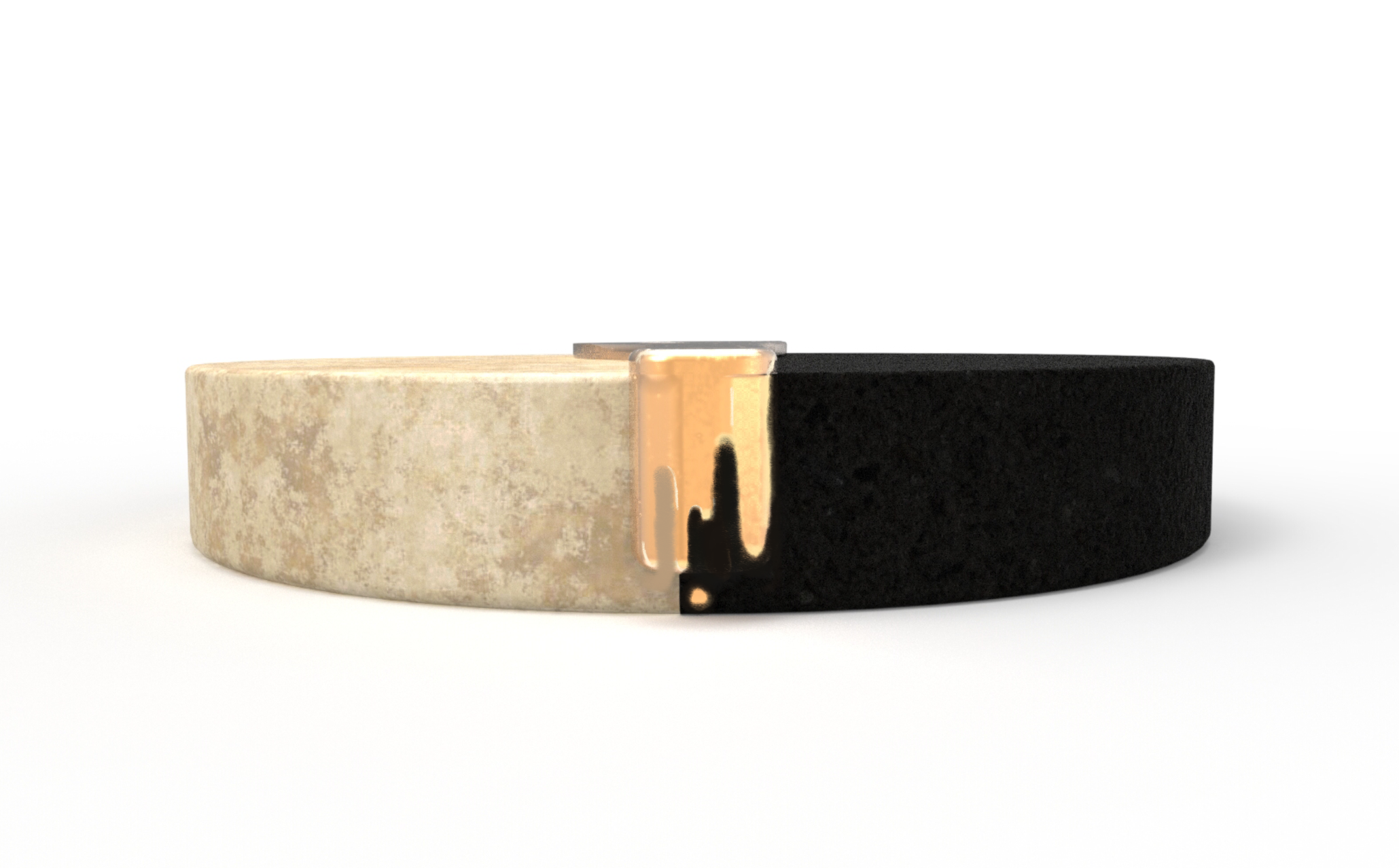
The way the materials are placed, gives the illusion of a landscape, ready to be explored.
I am very happy with the results of this one, let me know what you think, and if you have an awesome red grouse recipe, share it with me, I would love to try it!
Muhlke, C. et al. (2019) Signature dishes that matter: Narrative texts by Christine Muhlke ; curated by Susan Jung and 6 others ; illustrations by Adriano Rampazzo ; Foreword by Mitchell Davis. London: Phaidon.
Venncreative.co.uk (2016) British red grouse, Slow Food in the UK. Available at: https://www.slowfood.org.uk/ff-products/british-red-grouse/ (Accessed: February 23, 2023).
 Maryferi Design